When websites start reaching users from different regions, translation becomes necessary. But not everyone wants to rebuild their entire system just to support multiple languages.
That is where approaches like cloudflare translation worker setup come into the picture. They allow translation to happen at the edge, without changing the core website too much.
It sounds technical at first. And yes, there is some setup involved. But once understood, it becomes more manageable than expected.
What cloudflare workers actually do
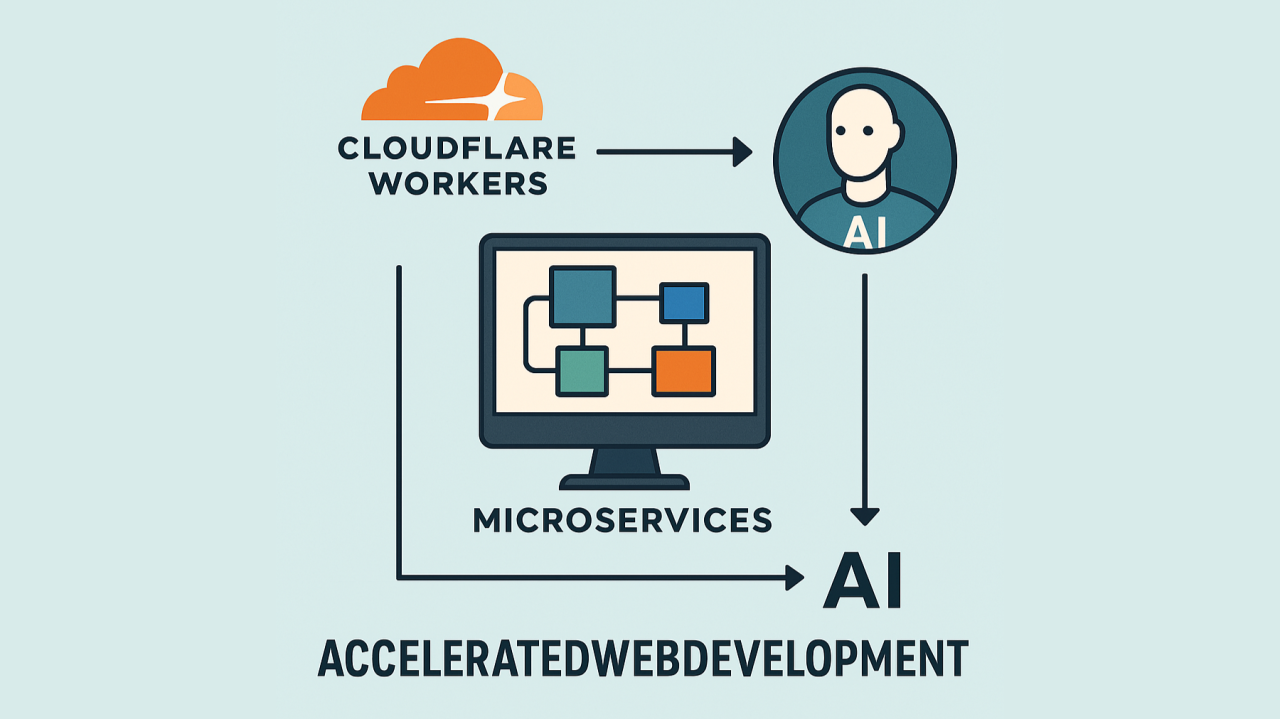
Cloudflare workers act between the user and the website. When someone visits a site, the request first passes through this layer. The worker can then modify the response before it reaches the user.
So instead of changing the original site, translation can happen in this middle layer. That is what makes it flexible.

Why they are used for translation
Using workers for translation helps avoid heavy changes to the backend.
The original content stays as it is. The worker handles language adjustments based on user location or preference.
- No need to duplicate entire pages
- No need to manage multiple versions manually
- Faster delivery through edge processing
This setup works well for websites that want quick expansion without major restructuring.
Basic setup understanding
The setup usually starts with creating a worker script. This script decides how requests are handled. It can detect language preferences and serve translated content accordingly.
Then the worker is connected to the domain. Once active, it starts intercepting traffic.
At this stage, translation logic is applied. It may sound like a lot, but the steps are usually guided. And once done, it runs continuously.
Where most people get stuck
The tricky part is not creating the worker. It is configuring it correctly.
- Handling routing rules
- Managing cache behavior
- Ensuring correct language detection
- Avoiding conflicts with existing site structure
These areas require attention.
Sometimes small mistakes lead to unexpected results. Pages may not load correctly or translations may not apply as expected.
How performance improves with workers
Since workers operate at the edge, content is delivered closer to the user. This reduces loading time.
And when translation is handled there, users get localized content faster. Not every setup shows huge speed changes. But in many cases, the improvement is noticeable. Especially for users far from the main server.
Managing translation quality alongside setup
Setting up translation is one part. Ensuring quality is another. Workers can deliver translated content quickly. But the accuracy depends on the translation source. Sometimes manual refinement is still needed. So even with automation, some level of review helps maintain quality.
Real use cases where this works well
For many websites, cloudflare translation worker setup becomes useful when they want to scale quickly without rebuilding everything. It works well for content heavy sites and platforms that need fast deployment. Sometimes it is used alongside other systems.
Sometimes it replaces traditional setups completely. There is no single pattern. Cloudflare workers offer a flexible way to handle website translation without deep changes to the core system. They improve speed, simplify expansion, and reduce manual effort.